Calibration Procedures
Accurate calibration for freeze-drying equipment
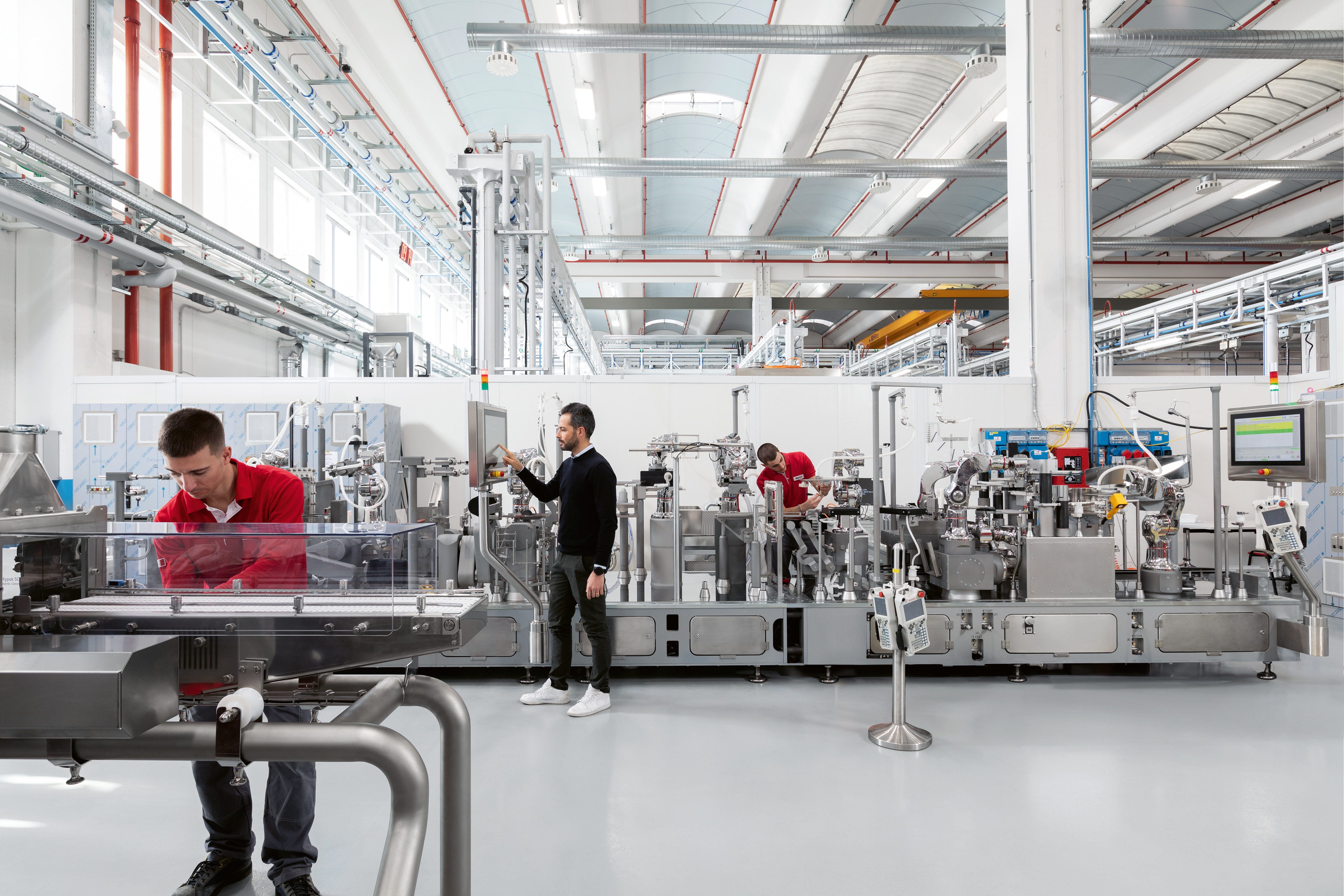
Precision, regulatory compliance and worldwide support for freeze-drying equipment.
Maintaining accurate process control requires the instruments used to monitor critical parameters to remain reliable over time.
Even advanced instrumentation can gradually drift due to environmental conditions, mechanical wear or the complexity of internal components. Routine calibration is therefore essential to verify that process parameters remain under control and measurements continue to provide reliable information.
Why regular calibration is essential
Changes in instrument accuracy can affect the ability to monitor and control critical process parameters.
IMA applies calibration protocols aligned with GMP regulatory requirements, which require a structured approach covering both calibration activities and the associated documentation.
These requirements include:
- Written procedures defining routine calibration activities
- Complete documentation for every instrument subject to calibration
- Clearly established accuracy and precision limits
- Use of traceable standards
- Appropriate remedial actions whenever deviations are identified
- Calibration activities carried out by trained and qualified personnel
What is calibrated?
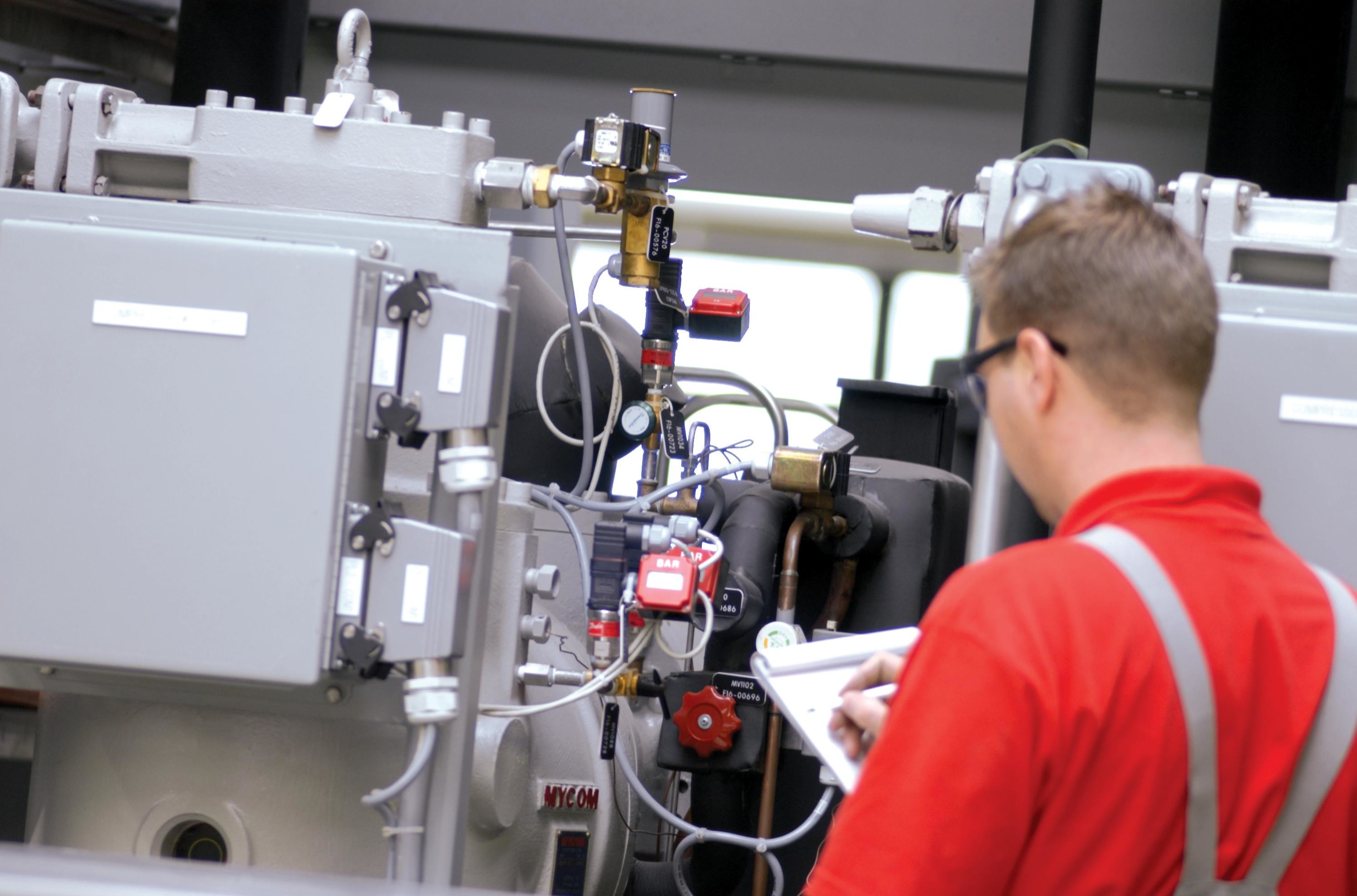
Within freeze-drying equipment, temperature and pressure are among the most critical process parameters, including pressure measurements both above and below atmospheric levels.
The accuracy of the instruments used to measure these parameters can have a direct impact on three key areas:
Product quality
Accurate measurements support the control of parameters that can affect final product quality.
Process efficiency
Reliable instrumentation contributes to the effective monitoring and control of the freeze-drying process.
Safety
Instrumentation associated with safety-related parameters must provide the accuracy required for appropriate process supervision.
What about time?
Time is an essential parameter within the process, but it cannot be calibrated in the strict sense of the term.
For this reason, IMA calibration activities focus on the instruments that directly affect process control and the related documentation.
Complete calibration documentation
Documented evidence you can rely on
Calibration itself is only part of the requirement. Regulatory compliance also requires documented evidence that calibration activities have been properly performed.
IMA therefore provides a complete calibration documentation package, including:
- Standard Operating Procedures (SOPs)
- Instrument qualification files
- Calibration master lists
- Test sheets and calibration reports
- Exception reports, including the related follow-up actions
This structured documentation provides full traceability and supports compliance with international standards.
Discover our complete range of Services
Get in touch
